
Opinion
The future of California’s water supply
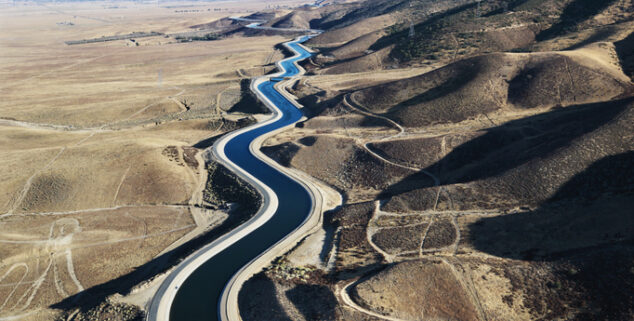 Aerial view of water carrying aqueduct in Outer Los Angeles, California.
Capitol Weekly welcomes Opinions on California public policy or politics. Please read our guidelines for opinion pieces before submitting an Op-Ed. Submissions that do not adhere to our guidelines will not be considered for publication.
OPINION — Gov. Gavin Newsom’s comments at the Association of California Water Agencies (ACWA) Conference in Sacramento provided some insight into his definition of success and the direction he believes the state should go.
Let’s hope that whoever the state’s next governor will be was listening and taking to heart the unparalleled importance water is to every Californian.
Newsom talked a lot about the projects that should provide new water supplies; the Delta Conveyance Project, Sites Reservoir and groundwater storage, all of which are important. What remains unclear is what the final cost for these new supplies will be.
He was largely silent on agriculture, leaving farmers wondering where they fall in California’s future water supply plans.
Like the overbearing regulations that have created the highest-cost gasoline in the nation, even prior to the Iran war, new water supplies must be affordable for farmers to be able to grow food here at home.
The factors creating high water supply costs, especially for farmers, include aging infrastructure, environmental regulations and ESA compliance, litigation, and permitting delays, are killing good projects that would provide real water supply benefits.
A recent example of a project doomed from these kinds of costs is Pacheco Reservoir adjacent to Highway 152, west of the existing San Luis Reservoir. The project could have increased water storage to as much as 140,000 acre-feet to help improve drought resilience, groundwater storage and deliver more water supply reliability to Silicon Valley and agricultural water users in the area.
Instead, skyrocketing costs, from $969 million in 2017, ultimately to about $3.2 billion, along with extensive litigation against the project, made it impossible to build and still deliver affordable water.
That kind of anti-water development mentality cannot continue to be the state’s default water policy if the goals Gov. Newsom articulated will be achieved.
California’s SB 72 set a goal of identifying 9 million acre-feet of new water supplies by 2040, but for anyone growing food where markets dictate the price of a product instead of the seller, input costs, including energy, fertilizer, transportation, and water must be affordable. Without affordable water to produce a crop, nothing else matters.
According to the USDA Economic Research Service, from 1980 to 2022, fresh fruit imports into the United States more than doubled, while fresh vegetable imports more than quadrupled over the same period.
Water availability and escalating costs helped contribute to the overall decline in access to locally grown food for California consumers. Future leaders need to create more inclusive water policies for our food producers to compete with producers overseas who have decimated the market for locally grown products.
Gov. Newsom will be gone the first week in January, along with Department of Water Resources Director Karla Nemeth, who has accepted the ACWA executive director position starting this September.
Every candidate for California’s top office should be learning everything they can about California’s water supply, how proposed projects will help serve the future needs of the state, why water supply affordability is important for food producers, as well as the value of locally grown food for consumers throughout the state.
Michelle Paul is the executive director of the California Farm Water Coalition, a nonprofit committed to helping the public understand the connection between water and the food grown in California.
Want to see more stories like this? Sign up for The Roundup, the free daily newsletter about California politics from the editors of Capitol Weekly. Stay up to date on the news you need to know.
Sign up below, then look for a confirmation email in your inbox.
Words of wisdom – thank you Michelle! And advice is only good if you take it.