
Opinion
If AI data centers are coming, communities should set the terms
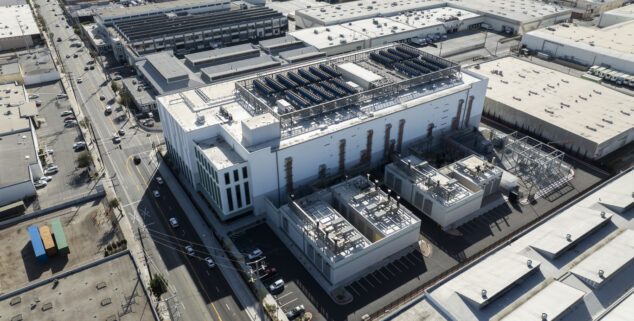 Image by Matt Gush, iStock Images.
Capitol Weekly welcomes Opinions on California public policy or politics. Please read our guidelines for opinion pieces before submitting an Op-Ed. Submissions that do not adhere to our guidelines will not be considered for publication.
OPINION — Across the country, communities are grappling with a question that barely existed a few years ago: What do we do when a massive AI data center wants to move into town?
The concerns are legitimate. Data centers require enormous amounts of electricity and water. Residents worry about rising costs, pressure on local infrastructure, and whether the economic benefits will justify what their communities are being asked to absorb.
But I think we’re asking only half the question.
AI is like a bullet train speeding down the track at 220 miles an hour. We can stand in front of it and get run over, or we can figure out how to get on board and help steer it toward opportunity.
The same should be true of the data centers powering it.
The scale of what’s coming is significant, especially in California. The California Energy Commission reports that data centers now account for about 2% of peak electricity demand in the state’s primary grid, a figure projected to reach 9% by 2040.
This demand comes at a time when our electrical grid already needs significant investment. The Department of Energy has described America’s electric infrastructure as aging and being asked to do more than it was designed to do.
So, let’s put these two enormous challenges together. If technology companies need substantially more electricity to power AI, communities should require some of that investment to help modernize the electrical infrastructure those companies will rely on.
Why should residents alone bear the cost of upgrading a system that must now accommodate some of the country’s largest new electricity users?
Communities have more power and leverage than they realize. They should use it. That could mean requiring data center developers to contribute to grid improvements that benefit the surrounding region. It could also mean finding ways to protect nearby residents from shouldering disproportionate infrastructure costs. These should be part of the negotiations before a project is approved, not discussions that occur after construction begins.
The Brookings Institution has proposed legally binding community benefit agreements that address many of these concerns, including infrastructure, electricity rates, employment and workforce training.
I would add another requirement. Local hiring should be nonnegotiable. Data centers require electricians, plumbers, construction workers and other skilled tradespeople to build them. Once operational, they also require workers to maintain and operate them.
California is already projected to have more than 80,000 electrician job openings over the decade. We need to build that workforce pipeline now.
If a community provides the land, infrastructure and resources that enable these enormous investments, the people who live there deserve a share of the economic opportunity they create.
The exact local-hire requirement may differ in Los Angeles from that in rural parts of California. But the principle shouldn’t change.
California doesn’t need to invent a new playbook. We already tie major infrastructure investments to local hiring, apprenticeships and workforce development. We should bring those same expectations to the data centers powering the AI economy.
Local hiring alone isn’t enough. We must prepare people for those jobs before the jobs arrive.
As CEO of JVS SoCal, one of Southern California’s largest workforce development organizations, I see how often employers need workers while people in the same community are seeking pathways to good careers. Too often, the missing piece is the link between the skills employers need and the training workers can access.
Data centers give us the opportunity to build that connection intentionally. Developers, workforce organizations, community colleges, unions and local governments should identify the jobs these projects will create and build training pipelines before construction begins.
There are legitimate reasons to worry about where artificial intelligence is taking us, and we should debate them vigorously. But trillions of dollars are being invested in this technology and the infrastructure it requires. Communities shouldn’t simply absorb the impact and hope that some of that prosperity eventually reaches them. They should set the terms.
Help modernize our infrastructure and protect the communities that bear the costs. Train local workers and then hire them. If technology companies want communities to host the infrastructure that will power the AI economy, those communities should share in the prosperity it generates.
That should be included in the price of admission.
Jeff Carr is CEO of JVS SoCal, a workforce development and career training organization serving tens of thousands across Greater Los Angeles.
Want to see more stories like this? Sign up for The Roundup, the free daily newsletter about California politics from the editors of Capitol Weekly. Stay up to date on the news you need to know.
Sign up below, then look for a confirmation email in your inbox.
Leave a Reply