
Opinion
Hydropower keeps California moving — policy needs to catch up
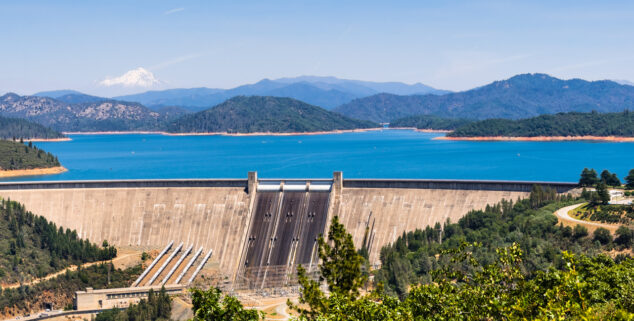 Image by patpitchaya, iStock images.
Capitol Weekly welcomes Opinions on California public policy or politics. Please read our guidelines for opinion pieces before submitting an Op-Ed. Submissions that do not adhere to our guidelines will not be considered for publication.
OPINION — The very water system both you and I rely on, whether in your home, running a small business, or working on land that’s been in your family for generations, is the same system that stores water, moves it across the state and uses that movement to generate clean, affordable electricity in return.
We have hydropower systems to thank for that. Hydropower plays a critical role in maintaining both affordable, reliable electricity, and water flow and distribution.
That built-in, reliable cycle keeps electricity costs down. It’s the kind of reliability families and businesses depend on, especially as utility bills keep rising.
And yet, that affordable reliability remains threatened. Why? A challenge that exists at the state level is that policies shaping California’s energy future haven’t fully caught up. Large hydropower, one of the state’s most reliable sources of clean energy, still falls outside key definitions in the Renewable Portfolio Standard — the state’s primary clean energy program, which requires utilities to procure renewable electricity to meet California’s energy goals. However, not all hydropower resources count toward those targets.
That disconnect sends mixed signals to utilities, water districts, and agricultural communities that rely so heavily on this affordable and reliable source. At a time when we’re being asked to meet ambitious clean energy goals, there is no policy framework that reflects the value of a clean, dependable, affordable energy resource that has helped power communities and move water across the state for well over a century, namely hydropower.
At the same time, we’re battling a separate challenge at the federal level. Currently, all hydropower facilities hold a federal license, which must be periodically renewed through a process known as relicensing. Relicensing is intended to ensure that projects continue to operate safely, meet environmental standards and serve the public interest. It is also often the time when operators can pursue upgrades.
In practice, however, the process tends to be long and complex, taking nearly a decade to navigate federal reviews and approvals before receiving a new license. While thorough oversight is immensely important, lengthy timelines delay upgrades intended to strengthen both water and energy infrastructure. At a time when we can’t afford delays in permitting and relicensing for projects that support both the irrigation systems our farmers depend on and the reliable, affordable electricity Californians need, it’s up to California’s delegation to do more.
When permitting and relicensing are delayed, the benefits — more efficient generation, stronger safety measures, and improved environmental outcomes — are delayed as well. An efficient process would allow this work to proceed at the pace today’s energy demands require.
More thought needs to be given to how the current hydropower system and regulatory operations are being discussed in Congress and elsewhere. I ask our California delegation, including Senator Alex Padilla, how will you help ensure that the same water used for our homes, businesses, and farms is leveraged to provide reliable and affordable energy?
We need to ensure that the same water that irrigates fields can also power the same irrigation systems, as well as our homes, and so much more. In a time when reliability and affordability are hard to come by, I encourage our legislative leaders to find powerful water and energy efficiencies that will benefit Californians.
Our hydro systems work best when policy reflects our very own reality; when it recognizes that the water and power systems we rely on are deeply connected and that reliability can’t be patched in later. Later is too late. This system only works when the policy works with it. The decisions made by our delegation in California and Washington, D.C. ripple outward into utility bills, farm operations, local budgets and so much more. The people are counting on a system that works for them.
Will we allow that system to evolve and improve through a more streamlined path forward, or will we let complexity and delay quietly erode something Californians depend on every single day, allowing the effects to trickle down to the everyday citizen?
I’m calling on Senator Padilla and others in California’s delegation to reconsider the energy resources included in the Renewable Portfolio Standard and to streamline the federal hydropower relicensing process. There’s an opportunity here to bring policy back in line with how water and power systems actually serve Californians, and to ensure that the processes governing hydropower are efficient. California’s progress matters, but so does practicality.
Bruce McLaughlin is the general manager of the Power and Water Resources Pooling Authority (PWRPA), a California joint powers authority that serves as the retail electricity provider for public water agencies.
Want to see more stories like this? Sign up for The Roundup, the free daily newsletter about California politics from the editors of Capitol Weekly. Stay up to date on the news you need to know.
Sign up below, then look for a confirmation email in your inbox.
Leave a Reply