
Opinion
Gov. Newsom should veto biomass bill
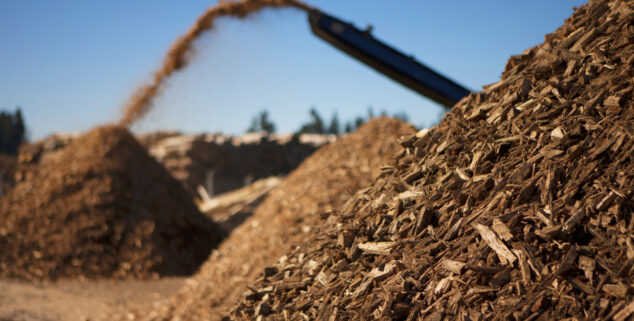 Image by claudiio Doenitz, iStock Images.
Capitol Weekly welcomes Opinions on California public policy or politics. Please read our guidelines for opinion pieces before submitting an Op-Ed. Submissions that do not adhere to our guidelines will not be considered for publication.
OPINION — What would you think if Gov. Gavin Newsom signed a bill declaring that junk food was healthy, and that funneled millions from health programs to the junk food industry? That would be absurd. But a costly, pro-industry biomass energy bill now on the governor’s desk does something similar.
If signed into law, Assembly Bill 706 would prop up the state’s dirtiest, most expensive, most inefficient electricity source — biomass energy made by burning or gasifying trees — by declaring it clean.
The bill would raid the state’s Greenhouse Gas Reduction Fund — meant for investments in clean energy and climate resiliency — to pay the biomass energy industry to expand its polluting operations. This would waste up to tens of millions of dollars each year.
Worse, it could lock in these subsidies, leaving Californians stuck paying millions for damaging junk energy for years, while biomass polluters benefit and our health and climate worsen.
Gov. Newsom should see this bill for the boondoggle it is and veto it.
Despite the industry’s efforts at greenwashing, biomass is a proven loser for our health, climate, forests and wallets.
Woody biomass energy has long been dying out in California because it’s a costly, dirty relic that can’t compete with truly clean, affordable solar and wind energy.
Making electricity from trees is inefficient and very expensive. This year, California rightly ended one costly state subsidy that required electric utilities to buy biomass power at exorbitant prices — up to four times the average. We don’t need another subsidy to pass those costs on to Californians.
Communities across the state have successfully fought to shut down woody biomass power plants because of their harmful pollution. These facilities are among the state’s largest emitters of nitrogen oxide, fine particulate matter and cancer-causing benzene, which increase the risk of premature death and illnesses like asthma.
The bill’s pledge to restart closed facilities threatens these communities, especially the low-income communities and communities of color where they’re often located.
Contrary to what this bill claims, biomass energy is a disaster for the climate that increases heat-trapping pollution. Burning wood for energy releases more carbon emissions at the smokestack than coal. And it produces additional pollution all along the lifecycle from cutting and extracting trees with heavy machinery, chipping, and trucking the forest material long distances for processing.
The biomass industry does not reduce wildfire risk. Avoiding new development in fire-prone areas is what minimizes risk. Making existing homes and their immediate surroundings ignition-resistant — known as home hardening — is the most effective way to keep communities safer during wildfire, not logging and thinning forests.
Most community wildfire destruction in California is caused by fires ignited by human sources during high winds and extreme fire weather made worse by climate change.
Thinning does not stop these fires. Forest thinning can even make fires burn hotter and faster by creating open, hotter, drier, more wind-prone conditions. In the era of climate crisis, safety means hardening existing communities and curbing development in fire-prone landscapes.
Where forests are thinned, it’s most beneficial and cost-effective to chip or scatter wood in the forest to create wildlife habitat and enhance natural carbon storage. If wood must be removed, it can be turned into mulch and shavings.
The worst choice is subsidizing biomass companies to make dirty, expensive energy.
California desperately needs to fund proven solutions to tackle our energy, affordability and wildfire safety crises. That means truly clean, affordable solar and wind energy, avoiding new development in fire-prone landscapes and hardening existing communities for wildfire safety.
Expensive subsidies that mandate junk energy only make us poorer and sicker.
Gov. Newsom needs to veto this costly anti-science bill that boosts biomass polluters at Californians’ expense.
Shaye Wolf, Ph.D. is climate science director at the Center for Biological Diversity.
Want to see more stories like this? Sign up for The Roundup, the free daily newsletter about California politics from the editors of Capitol Weekly. Stay up to date on the news you need to know.
Sign up below, then look for a confirmation email in your inbox.
Leave a Reply