
Opinion
California’s commitment to immigrant children starts with CHIRP
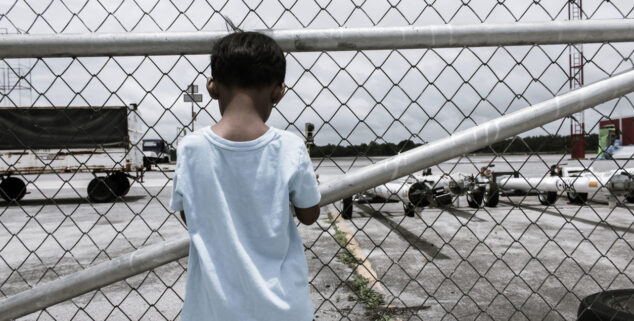 Image by Napatcha, iStock Images.
Capitol Weekly welcomes Opinions on California public policy or politics. Please read our guidelines for opinion pieces before submitting an Op-Ed. Submissions that do not adhere to our guidelines will not be considered for publication.
OPINION — California has long sought to lead the nation in protecting immigrant communities and advancing children’s well-being. That leadership is being tested as immigrant families face increasingly aggressive federal enforcement and vulnerable children are placed at greater risk.
The inclusion of $15 million for the Children’s Holistic Immigration Representation Project, or CHIRP, in California’s 2026–2027 budget is an important achievement. It reflects the commitment of Gov. Gavin Newsom, along with the work of legislative leaders, advocates, service providers and community members who understand that unaccompanied children should not be left to navigate a complex and intimidating immigration system alone.
As the federal government accelerates its immigration enforcement agenda, unaccompanied children are increasingly being caught in the crosshairs. Recent reporting and court filings reveal a troubling pattern: Unaccompanied children are being detained for months beyond longstanding legal limits and deportation orders for these youth have tripled, with courts issuing more than 10,000 removal orders per month. Legal service providers are facing unprecedented pressure, threatening the sustainability of critical legal aid infrastructure.
The federal government has compounded this crisis by dismantling a longstanding network of nonprofit legal service providers that represented tens of thousands of unaccompanied children, and reportedly moving to redirect hundreds of millions of dollars toward organizations with little experience representing immigrant children and deep ties to the administration’s hardline immigration agenda.
The lesson is clear: The need for state-funded legal representation and support services for unaccompanied children has never been more urgent. When federal protections are eroding and children face increasingly complex and accelerated immigration proceedings, California’s ability to provide stability, trusted guidance and meaningful access to due process becomes the only safeguard protecting children.
Since launching in 2022, CHIRP has served more than 1,500 unaccompanied children across California through a model that pairs legal representation with trauma-informed case management. That combination is essential because these children are not only facing legal problems. Many are also coping with family separation, interrupted schooling, housing instability, trauma, and unmet physical or mental health needs.
CHIRP responds to the full reality of their lives. It helps children participate meaningfully in their immigration cases while connecting them with education, health care, housing assistance, and other services needed to build stable futures. Through partnerships with trusted community organizations, the program reaches young people in rural and urban communities throughout the state.
The need is substantial. In fiscal year 2024 alone, more than 10,000 unaccompanied children were placed with sponsors in California. These young people already live in our neighborhoods, attend our schools, and many have only known California to be their home. Having public policy reflect this reality is an essential step toward ensuring they are protected.
How California treats these children is a test of the state’s values. Children facing life-altering immigration proceedings cannot meaningfully receive due process when they lack representation, language access, trusted guidance, or the stability needed to participate in their cases.
CHIRP provides a model for addressing that challenge. It demonstrates what can happen when state government and community-based organizations build coordinated, trauma-informed services around the needs of children. It should not be understood as a temporary program or a single budget allocation. It is part of the public infrastructure California must continue developing to support vulnerable communities.
The inclusion of CHIRP in the budget should be celebrated, but it must also be treated as a beginning. California should ensure that the program is implemented effectively, that its provider network remains stable, and that services reach children across the state, including those in rural and historically underserved areas.
California can look to New York, where they recently approved an increase of 7 million dollars for unaccompanied children to understand how to meet the moment and step in to counter federal cuts and abandonment. As budget trailer language is finalized, California should continue to find ways to support unaccompanied children and their advocates with stability and resources. By working with advocates and impacted communities we can achieve lasting results for these children and for our state.
The longer-term goal must be a durable statewide system in which no child is alone to defend their rights. When young people can remain in school, access health care, and live safely with their families, entire communities become stronger and more stable. This requires expanding immigration legal services and integrating legal representation with essential services.
California has taken an important step. Now it must build on this investment, strengthen the organizations delivering these services, and ensure that every immigrant child has a fair chance to build a safe and hopeful future.
Assemblymember Gregg Hart represents California’s 37th Assembly District. Senator Jesse Arreguín represents California’s 7th Senate District.
Want to see more stories like this? Sign up for The Roundup, the free daily newsletter about California politics from the editors of Capitol Weekly. Stay up to date on the news you need to know.
Sign up below, then look for a confirmation email in your inbox.
Leave a Reply