
Opinion
Building American prosperity from the ground up
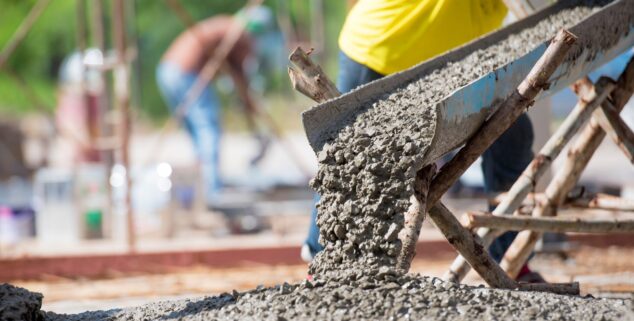 Image by Chaiyaporn1144.
Capitol Weekly welcomes Opinions on California public policy or politics. Please read our guidelines for opinion pieces before submitting an Op-Ed. Submissions that do not adhere to our guidelines will not be considered for publication.
OPINION – Our nation is on the verge of a construction boom that could unleash unprecedented job creation and economic growth – as long as we aren’t choked off by a lack of labor and critical building materials like cement. Across the U.S., demand for new construction is accelerating, driven by technology, population growth, and the need to modernize aging infrastructure. Cement underpins this progress, providing the strength and durability that modern infrastructure depends on.
Projections show that U.S. data center construction over the next three years will require about 1 million metric tons of cement. The airport market is estimated to consume 2.4 million metric tons of cement by 2040. More construction of energy infrastructure, like LNG terminals and generation systems, will also increase demand. But U.S. cement production declined by 4% last year and our reliance on low-quality, foreign imports continues to inch up. That imbalance between rising demand and shrinking domestic supply should concern anyone who cares about economic growth, supply chain resilience, and America’s global competitiveness.
If we fail to make enough reliable, high-quality cement at home, we can’t move forward on the coming wave of infrastructure investment and might miss a generational economic opportunity. Years-long permitting processes, high capital costs, and regulatory hurdles pose nagging challenges to expanding American cement production. Lawmakers at every level need to address these issues immediately and advance smart policies to bolster U.S. production – like expanding Buy America, Build America provisions to cement, creating purchasing preferences for high-quality U.S. cement, requiring more transparency about the quality of imported products, and implementing permitting reforms that make it easier to build more cement plants.
Our growing reliance on low-quality cement imports threatens American jobs and undermines our ability to build dependable infrastructure. In 2024, twenty-two percent of cement consumed in the U.S. was supplied by foreign countries. Foreign cement often fails to meet international quality standards and product certifications. Substandard imports put construction workers, drivers, and families at risk and expose our country to supply chain vulnerabilities. When corners are cut on quality, the long-term costs – repairs, safety risks, and project delays – are borne by American communities. Infrastructure should be built to last decades, not repaired prematurely because of inferior materials.
Investing in American-made materials, like cement, stimulates job growth and helps expand the American manufacturing base. The American cement industry supports 577,000 jobs nationwide and generates roughly $130 billion annually for the economy. Cement production happens in 99 plants across 34 states and Puerto Rico, sustaining local economies and strengthening communities. Simply put, it’s a boon to our GDP.
Domestic cement production isn’t only necessary for economic growth, it’s a national security imperative. Cement is fundamental for constructing resilient infrastructure — reinforced concrete structures that house critical buildings and facilities, along with homes, schools, factories, offices, houses of worship, and so many other structures important to American life. We can’t rely on imported foreign cement products to construct these buildings. Instead, we should ensure that America is cement independent, with a secure, steady, and reliable supply of durable, homemade cement. True independence means having the capacity to build, rebuild, and respond to emergencies without relying on overseas suppliers who may not share our interests or our standards. In times of crisis, access to essential materials can make the difference between resilience and vulnerability.
We should not let America’s infrastructure fall to pieces. Cement is the foundation on which we can build our future — and that foundation must be American-made. By prioritizing domestic production today, we can lay the groundwork for a stronger economy, safer communities, and a more resilient nation for generations to come. The path forward is clear: Invest at home, build with quality, and ensure that America’s next chapter is constructed on a solid, domestic foundation.
Mimi Walters represented California’s 45th district in Orange County from 2015-2019.
Want to see more stories like this? Sign up for The Roundup, the free daily newsletter about California politics from the editors of Capitol Weekly. Stay up to date on the news you need to know.
Sign up below, then look for a confirmation email in your inbox.
Leave a Reply