
Opinion
AB 2050 will push homeowners over the edge
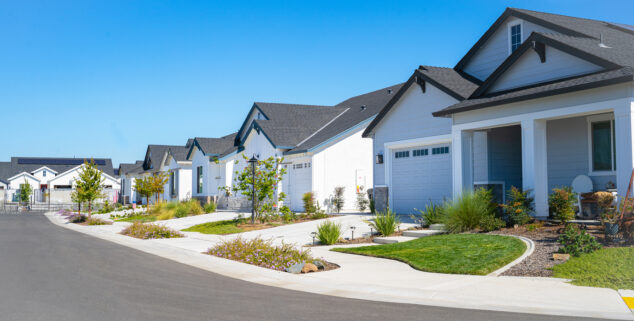 Image by Kirpal Kooner, iStock Images.
Capitol Weekly welcomes Opinions on California public policy or politics. Please read our guidelines for opinion pieces before submitting an Op-Ed. Submissions that do not adhere to our guidelines will not be considered for publication.
OPINION — Beverly Albright, 81-years-old, says the $26,000 special assessment bill she got this month from her homeowner association will force her from her home. “I’ll have to move,” the Orange County owner told KABC television news Aug. 31.
Stephen Wang and his neighbors in a Torrance association have a different solution: They have sued their board to stop the $49,000 per owner assessment levied the same week as Albright’s. The bills they got from the association board totaled $19 million. “We were shocked,” Wang told KABC news.
Albright and Wang aren’t alone. The 14 million Californians in association homes are already buckling under assessments, reported the Wall Street Journal in April. Contra Costa homeowner Donald DeFesi told the WSJ his assessments now outstrip his monthly mortgage and interest payments. These incidents only confirm what homeowners have been telling our coalition of housing advocates: Runaway assessments threaten them with the loss of their homes.
Assembly Bill 2050, now on Gov. Gavin Newsom’s desk might just push owners like Albright and Wang over the edge. The bill lets the state’s 55,000 associations levy yet another assessment: one that funds its reserve account, the cash used to maintain and replace big ticket items like roofs and the electrical system.
Few would question the need to fund this account. The challenge for HOA boards and homeowners is how to build up a reserve account that finances big ticket items but that doesn’t force owners like Albright, Wang, and DeFesi out of their homes.
AB 2050 doesn’t answer that question. It says HOAs can use two funding mechanisms to build up reserves: a fourth kind of assessment and — in something of a shell game — permits boards to move 15% or more of the cash from the HOA’s operating account and put it in reserves.
AB 2050 doesn’t explain how the operating account, the money used for daily expenses — like paying the property manager and keeping the lights on — is to be replenished. The only logical answer is that the board would have to increase regular monthly assessments. State law lets HOAs raise regular dues 20% a year though few homeowners see their income rise at this rate.
Boards already levy three kinds of assessments: regular; special ones that permit a homeowner vote only in limited circumstances; and emergency assessments that have no dollar cap and permit no vote.
The $26,000 assessment bill sent to Albright and her neighbors was declared an “emergency,” but many owners disputed the claim. “The board has known about this for years,” homeowner Noah Martin told KABC news. “It’s deferred maintenance; we should have been planning for it — and voting on it.”
The duty for HOAs to plan for the replacement of big-ticket items has been state law since 2004. We know this for a fact, because we were in the working group that drafted the legislation. While some HOAs wrote up reserve studies — with dollar amounts attached — too many didn’t fund the accounts slowly over time. Now they find themselves in a crisis, and they expect homeowners to bail them out.
Associations routinely use foreclosure to force payment from homeowners. In April, research published by Orange County real estate firm Benutech, reported that in the last decade California has become one of the three top states aggressively using foreclosure to collect assessments. The report called it “One of 2025’s Most Overlooked Threats to Housing.” Last year alone California recorded 22,000 liens against association owners for assessments claimed to be overdue.
Association homes are often the first rung on the homeownership ladder. Federal guidelines state that homeowners ought to be paying no more than 30% of monthly income for mortgage, interest, taxes and insurance. Notice that the word “assessments” doesn’t even appear in the formula, but it is assessments that are threatening seniors, first-time buyers and families of color with the loss of their homes.
Gov. Newsom has a longstanding commitment to housing affordability. We believe AB 2050 obstructs that goal by making homeownership unaffordable, increasing foreclosure and provoking litigation. We urge Gov. Newsom to veto AB 2050.
Marjorie Murray is president of the Center for California Homeowner Association Law. Robert Herrell is executive director of the Consumer Federation of California.
Want to see more stories like this? Sign up for The Roundup, the free daily newsletter about California politics from the editors of Capitol Weekly. Stay up to date on the news you need to know.
Sign up below, then look for a confirmation email in your inbox.
Leave a Reply