
Opinion
A well-meaning bill could set California recycling back decades
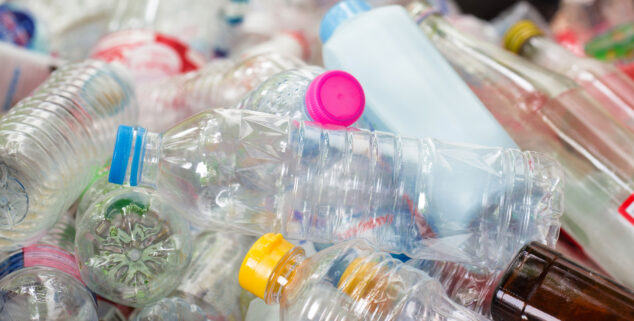 Image by ABimagestudio, iStock Images.
Capitol Weekly welcomes Opinions on California public policy or politics. Please read our guidelines for opinion pieces before submitting an Op-Ed. Submissions that do not adhere to our guidelines will not be considered for publication.
OPINION — Every year, millions of tons of plastic pour into the ocean, fouling beaches, entangling sea life and breaking into fragments that drift through food webs. Roughly two-thirds of all the plastic ever made is still out there, in our landfills, rivers and seas. One study projects that plastic in the ocean could outweigh fish by 2050. And the ocean is sending it back: Microplastics now turn up in the seafood we eat, and increasingly in our own bodies.
That’s why I oppose AB 2253. It will restrict recycling methods we need to handle plastic waste, continuing rather than slowing the flow of plastic into our oceans and environment.
Nearly 40 years ago, I helped create California’s beverage container recycling law, the CRV system that has recycled more than half a trillion containers, launched the nation’s first large-scale plastic recycling and became a model for recycling systems.
Outside the CRV system, we have made little progress recycling plastic and far too little progress reducing, reusing and refilling it. Most plastic packaging still ends up buried, burned or loose in the environment.
California’s new packaging law, SB 54, gives us an opportunity to change that. But AB 2253 would narrow the recycling options under the law, including chemical recycling and the widely accepted accounting method called “mass balance.” Those restrictions could prevent us from recycling large amounts of plastic that cannot practically be recycled today.
Mass balance sounds complicated, but the idea is simple. When recycled and new materials enter the same manufacturing system, companies track how much recycled material goes in and how much recycled product comes out. The recycled material may not end up in the exact package you hold, but across the system, it is verifiably tracked.
This approach is already used to support sustainable markets for products such as lumber and coffee. It allows recycled and sustainable materials to enter existing production systems while those markets grow, rather than requiring separate factories and supply chains from the beginning.
Traditional mechanical recycling is straightforward: used plastic is collected, sorted, melted and made into something new. It works well for some plastics, particularly when collected in large quantities and kept clean.
But mechanical recycling cannot handle all our plastic waste. Plastic comes in many types, additives and combinations. Food residue and contaminants create additional problems. Much of that material cannot simply be turned back into high-quality plastic.
Chemical recycling offers another option. Instead of melting plastic, these technologies break it down into basic chemical building blocks that can be reused, helping handle materials that mechanical recycling cannot.
Today, chemical recycling often works best within existing manufacturing facilities, where recycled and raw materials move through the same equipment. That is why mass-balance accounting matters. Without it, we could require companies to build separate facilities before these emerging recycling technologies have had the opportunity to grow.
Some recovered plastic can be converted into fuel through chemical recycling. That is not the highest form of circularity, but it’s preferable to dumping plastic in a landfill or the environment.
But if we ban mass balance and exclude promising technologies, we will not magically get better recycling and less waste. We will get less recycling — and more plastic will flow into the environment.
And Californians will pay for it. SB 54 is already an enormous undertaking that will reshape the way packaging is produced and recycled. We should be looking for ways to achieve its environmental goals at lower cost, not imposing restrictions that make those goals unattainable.
California faces a choice between two kinds of environmentalism: one that demands immediate perfection but leads to paralysis, and one that demands relentless progress and gets results. The CRV system wasn’t perfect on day one. It got better because we built it to learn, adapt and improve.
Lawmakers should set AB 2253 aside, and environmentalists and industry should stop warring long enough to make SB 54 succeed.
Bill Shireman is president and CEO of Solution Citizen, founder of Circle America, an advisor to EarthX and author of California’s CRV recycling system.
Want to see more stories like this? Sign up for The Roundup, the free daily newsletter about California politics from the editors of Capitol Weekly. Stay up to date on the news you need to know.
Sign up below, then look for a confirmation email in your inbox.
Leave a Reply