
Opinion
AB 706 is about forest management, not energy policy
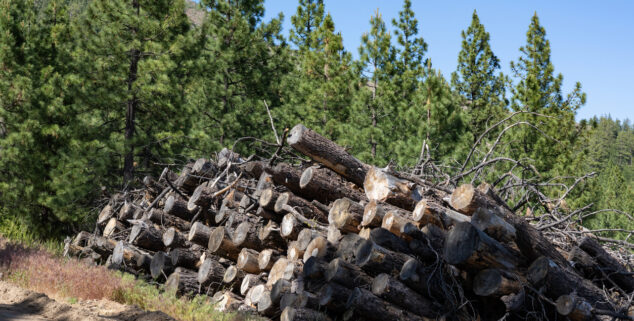 Image by DNBSTOCK, iStock Images.
Capitol Weekly welcomes Opinions on California public policy or politics. Please read our guidelines for opinion pieces before submitting an Op-Ed. Submissions that do not adhere to our guidelines will not be considered for publication.
OPINION — Shaye Wolf opens her recent Capitol Weekly op-ed by comparing biomass to junk food. So, borrowing from another famous food advertisement, I have a simple question: Where’s the beef?
The problem with Wolf’s argument is that it focuses on energy, but largely ignores any real consideration of forest health and resiliency. Assembly Bill 706 is not an energy policy bill masquerading as forest policy. It is a forest management bill addressing a very practical question: After all the private and public investment in wildfire prevention and wildfire recovery, what do we do with millions of tons of forest derived low-value woody residue that litters forests across California?
Federal, state, private and tribal forestland managers, working collectively, have committed to treating one million acres annually, producing enormous volumes of brush, small trees, branches, tops and dead material that often have little or no conventional commercial value.
California’s Board of Forestry and Fire Protection has warned that insufficient biomass-utilization pathways are already constraining projects, increasing costs and limiting the effectiveness of wildfire-prevention investments. Secretary of Natural Resources Wade Crowfoot has made the same point: across tens of thousands of treated acres, material remains piled because there is no economically viable way to remove it.
That is the beef.
Wolf argues that thinning does not stop wildfires. Fair enough — but that is the wrong test. Early warning systems do not stop tornados either. Forest treatments are intended to change fire behavior: reduce available fuels, lower intensity and severity under appropriate conditions, improve forest resilience, and create places where firefighters have a safer and more effective opportunity to make a stand to protect communities and natural resources from destruction of future high-intensity wildfires.
And once a treatment occurs, the material does not magically disappear. Leaving every ton onsite is not ecologically or operationally appropriate. Open-pile burning or simply storing and decaying woody waste onsite have air-quality consequences that are far more impactful than controlled combustion that generates energy. Excessive material left on treated landscapes undermines the very fuel-reduction or recovery investments made by taxpayers or landowners.
Mulch, biochar, sustainable aviation fuel and other emerging products should be part of California’s future wood-utilization portfolio. But those markets are not mature and cannot come close to consuming the volume of forest residues generated today. State natural-resource officials have acknowledged that biomass-to-electricity remains a primary method for processing low-value forest residue at scale while newer markets slowly develop.
None of this requires pretending that all potential solutions are perfect. It requires comparing real-world alternatives rather than comparing a forest-residue management problem only to solar panels and wind turbines. The relevant question is not simply: What is the cheapest way to produce an electron? It is also: What happens to the material California must remove to restore forests, protect communities and reduce hazardous fuels?
AB 706 attempts to answer that question by preserving near-term outlets while California develops better and more diverse long-term markets for low-value wood. Reasonable people can debate how those facilities should be funded, regulated and located. But calling the policy “junk energy” is not useful or accurate and ignores the facts.
Matt Dias is a registered professional forester and President and CEO of the California Forestry Association.
Want to see more stories like this? Sign up for The Roundup, the free daily newsletter about California politics from the editors of Capitol Weekly. Stay up to date on the news you need to know.
Sign up below, then look for a confirmation email in your inbox.
Leave a Reply