
Opinion
One year after the LA fires, we know what must change
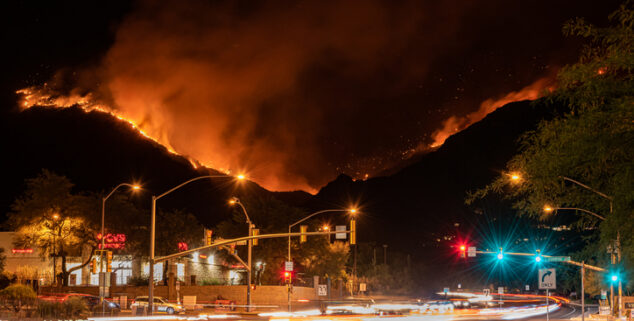 Image by Wirestock.
 Capitol Weekly welcomes Opinions on California public policy or politics. Please read our guidelines for opinion pieces before submitting an Op-Ed. Submissions that do not adhere to our guidelines will not be considered for publication.
OPINION – Just a year ago, Los Angeles watched neighborhoods burn, skies fill with smoke, and families flee with minutes to spare, including members of my own family. As we commemorate the anniversary of this tragic event, many communities are still recovering, landscapes remain visibly scarred, and too many families are still living with the long tail of destruction—financial, emotional, and physical. Yet the most unsettling truth is that, despite the passage of time, the threat of megafires like those we witnessed in Altadena and the Palisades has only intensified.
The past year has made one thing painfully clear: we know what must change to prevent future megafires, and the time to act is now.
First, we can no longer rely solely on reactive firefighting as our primary strategy. Fires today move faster, burn hotter, and overwhelm legacy response systems that were designed for a different era. Heroic efforts by firefighters cannot compensate for structural deficiencies in how we prepare our homes, communities, and landscapes for inevitable ignitions.
Second, every dollar invested in prevention—fuel reduction, home hardening, defensible space, ignition prevention — saves many more in disaster recovery. The cost estimates to rebuild after these fires are staggering—yet those dollars only flow after catastrophe strikes. It’s a cruel irony that so much spending is required for recovery while prevention waits, and even when funding exists, bureaucracy can slow mitigation to a crawl. Studies show that for every $1 invested, $13 are saved in mitigation costs.
Third, advancements in detection technologies, suppression tools, and predictive modeling systems have the potential to dramatically change how we prepare for, and respond to wildfires, but we need the leadership to turn those solutions into bold action that can be operationalized for Californians.
If we are serious about preventing the next community megafire, our policy response must finally match the scale and urgency of the crisis.
In California, that starts with modernizing how we finance wildfire resilience at the community level. A Wildfire Resilience Loan Financing program – SB 894 – was recently introduced in the Legislature by Senator Ben Allen (D-Santa Monica), which would begin to correct that imbalance by unlocking long-term, low-cost capital for communities to invest in defensible space and home-hardening at scale—measures that we know work, but are often out of reach due to upfront costs. Prevention should not depend on whether a disaster has already happened, and it should be affordable for all families who want to proactively reduce their wildfire risk.
In addition to loan financing programs, we need to better support community capacity to prevent megafires. With sustained funding and new authorities, county-level coordinators can accelerate fuel reduction, help homeowners mitigate risk on their properties, and build the local workforce needed to maintain resilience year after year.
Equally critical is building a true innovation-to-deployment pipeline that reaches firefighters and has meaningful impact on the full lifecycle of wildfire. California should invest in state-of-the-art technology programs that research, test, co-develop, scale, and deploy tools across the entire wildfire cycle in real-world conditions. That means modern procurement pathways, pilot-to-permanent funding models, and performance-based standards that reward what works. We cannot afford to let proven tools sit on shelves while communities burn.
Finally, these state efforts must be matched at the federal level with reforms that support cross-agency coordination and long-term resilience financing. Megafires do not respect state lines, and neither should our solutions.
Megafire Action exists to close the gap between what science tells us is possible and what policy currently allows. Over the past year, we have helped shape California and federal legislation, engaged innovators and frontline practitioners, translated complex wildfire science into real world application, and pushed for the rapid deployment of proven tools that reduce risk now—not years from now. This is a start, but we need our lawmakers to take action with tangible solutions.
One year after the L.A. fires, honoring the losses means refusing to repeat the same policy failures. The solutions exist. The technology exists. The community willpower exists. What is needed now is political courage—to pass policy that supports financing community mitigation, county level coordination for wildfire resilience, and the wildfire innovation ecosystem – reforms that can protect Californians for decades to come.
Eric Horne is the California Director for Megafire Action.
Want to see more stories like this? Sign up for The Roundup, the free daily newsletter about California politics from the editors of Capitol Weekly. Stay up to date on the news you need to know.
Sign up below, then look for a confirmation email in your inbox.
Leave a Reply