
Opinion
EPA loopholes leave LA breathing cancer-causing air
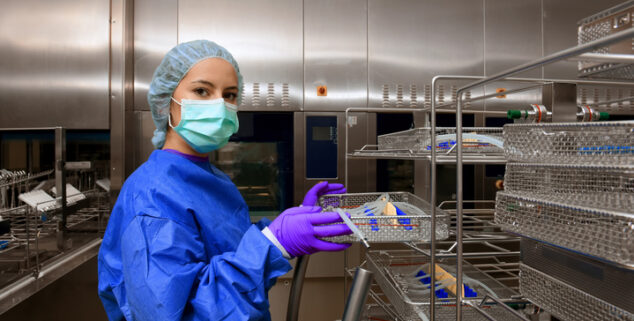 Image by lortie.
 Capitol Weekly welcomes Opinions on California public policy or politics. Please read our guidelines for opinion pieces before submitting an Op-Ed. Submissions that do not adhere to our guidelines will not be considered for publication.
OPINION – Just a few miles from downtown Los Angeles, the Sterigenics sterilization facility in Vernon poses a silent threat to surrounding communities. The plant uses ethylene oxide (EtO), a toxic gas classified by the Environmental Protection Agency (EPA) as a known human carcinogen, to sterilize medical equipment. Yet, many residents are not aware of the dangers of what they’ve been breathing for years.
In 2016, the EPA determined that EtO is up to 60 times more carcinogenic than previously believed, but the agency didn’t issue a public warning. When the 2018 updated National Air-Toxics Assessment finally revealed cancer-risk hotspots around sterilization plants nationwide, it was too late for many. In places like Willowbrook, Illinois, and Laredo, Texas, modeled cancer risks reached 6,400 per million people, more than 60 times the acceptable federal threshold.
In Vernon, the story bears striking similarities. The South Coast Air Quality Management District (SCAQMD) identified the Sterigenics facility as a “Potentially High-Risk Level Facility.” While the agency requested an “Early Action Reduction Plan” in 2022, including emission monitoring and temporary shutdowns, these measures were implemented years after residents had already been exposed.
For all the communities living near the Vernon facility, this contamination is a personal issue far more than just an environmental problem. Ethylene oxide doesn’t just vanish once released. It lingers in the air and builds up in the body over time, increasing risk for breast cancer, non-Hodgkin lymphoma, and leukemia.
According to an EtO exposure map, Maywood, for instance, lies at the very center of the life-threatening emissions from the Vernon plant. In 2025 alone, the ongoing legal action against Sterigenics in Illinois resulted in 97 settlements, totaling over $30 million in payments to plaintiffs. This precedent can become an incentive for Maywood’s community in their pursuit of justice and compensation.
This crisis persists mainly due to loopholes in the EPA’s regulations. Many EtO facilities operate under Clean Air Act exemptions that allow them to avoid the modern pollution controls required of other industrial emitters.
The EPA’s 2024 rule for sterilization facilities introduced stricter EtO limits and requires leak detection, but it comes after years of delay. Still, enforcement remains uncertain, and oversight is split among federal, state, and local agencies, leaving gaps that companies can exploit. Even now, local regulators like the SCAQMD can monitor, investigate, and fine facilities, but have no authority to provide health screenings, relocation assistance, or compensation for affected families. The result is a patchwork system where accountability often blurs into bureaucracy.
Los Angeles needs actions focused on community well-being, not corporate convenience. First, federal institutions must enforce continuous air monitoring at every EtO facility and ensure public access to real-time data. People living near these potentially hazardous plants need to be constantly informed about the air quality they breathe.
Moreover, the Clean Air Act loopholes that exempt older plants from modern controls must be permanently closed. These exemptions were designed for exceptional cases that prioritize national security and were not meant to be granted loosely without consideration for the communities affected by toxic exposure.
Lastly, but most importantly, the at-risk areas need immediate medical screenings and state-funded cancer registries. This way, the federal government will finally gain a clear picture of this crisis and begin providing timely treatments and compensation to the affected people.
Los Angeles residents deserve transparency, justice, and, most of all, clean air. The EPA’s silence has already cost lives and trust. It’s time for decisive federal and state action to ensure that no one must wonder whether their next breath will turn them into cancer patients.
Jordan Cade is an attorney with the Environmental Litigation Group, P.C., a law firm in Birmingham, Alabama, that provides legal services for victims exposed to toxic chemicals.
Want to see more stories like this? Sign up for The Roundup, the free daily newsletter about California politics from the editors of Capitol Weekly. Stay up to date on the news you need to know.
Sign up below, then look for a confirmation email in your inbox.
Leave a Reply