
Opinion
Ending Medi-Cal coverage of GLP-1s is short-sighted thinking
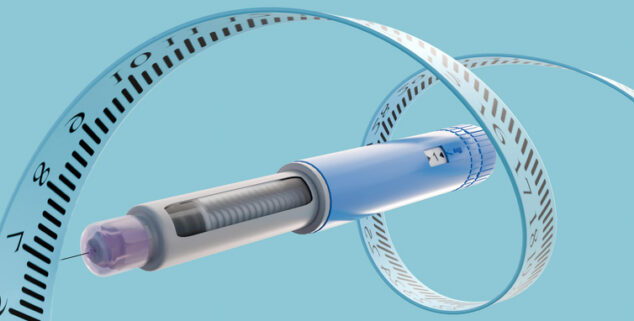 Image by Love Employee.
 Capitol Weekly welcomes Opinions on California public policy or politics. Please read our guidelines for opinion pieces before submitting an Op-Ed. Submissions that do not adhere to our guidelines will not be considered for publication.
OPINION – I am a spine surgeon who treats primarily Medi-Cal patients in California. Every day, my clinic is filled with people suffering from herniated discs, spinal stenosis, and debilitating low back pain. Medical literature consistently shows that excess weight significantly worsens many of these conditions. In some cases, meaningful weight loss can reduce symptoms or even eliminate the need for surgery.
Thankfully, we now have a class of medications, GLP-1 receptor agonists, that have transformed obesity treatment. Yet, California recently decided to end Medi-Cal coverage for these drugs. The irony is striking: Medi-Cal will pay for a $50,000 spine surgery, the hospital stay, and months of rehabilitation, but it will no longer cover medications that could prevent the need for that surgery in the first place.
As a surgeon, I take pride in helping patients recover after an operation. But I feel equal satisfaction when a patient returns having lost weight and no longer requires surgical intervention. Not every spine condition is preventable, but some are. And prevention should matter, both clinically and fiscally.
As physicians, we increasingly recognize obesity for what it is: a chronic disease that requires medical treatment, not just willpower. In my clinic, I see firsthand how excess weight accelerates spine degeneration and chronic pain. Recognizing and treating obesity is not simply a matter of personal responsibility, it is a public health imperative.
Modern GLP-1 medicines are evidence-based therapies that help patients achieve meaningful, sustained weight loss and reduce the risk of heart disease, type 2 diabetes, stroke and orthopedic complications. For many patients, these medications can change the course of their health and prevent the very surgeries I perform.
Ending coverage effectively creates a two-tiered system in which modern obesity treatment remains available to those with disposable income, while lower-income patients are told that lifestyle modification alone must suffice. Affluent patients can often afford to pay out-of-pocket for these medicines. Meanwhile, many of the Californians at greatest risk for obesity-related complications rely on Medi-Cal and the policy decisions in Sacramento determine what care is possible in the exam room.
By “saving” money on GLP-1 prescriptions today, the state risks spending tomorrow on expensive hospitalizations, surgeries, and long-term care. Obesity and related conditions cost California’s economy $89.5 billion in 2022 alone. Research suggests that even modest weight loss, between 5% and 25%, could save California up to $77.9 billion in health care costs over the next decade. True fiscal responsibility means investing in prevention, not cutting off the tools that make it possible.
California has long positioned itself as a national leader in public health. But restricting access to effective treatments undermines that goal. Coverage policies that focus narrowly on short-term costs can overlook the long-term health benefits physicians see every day.
Governor Newsom has spoken about the importance of prevention and improving population health. Ensuring that patients have access to effective obesity treatments would align with those goals.
As a spine surgeon, I will continue to operate on patients who need it. But California’s public policy should not make surgery the default option when effective prevention is within reach.
Anthony DiGiorgio, DO, MHA, FAANS is a neurosurgeon who works at a California safety-net hospital.
Want to see more stories like this? Sign up for The Roundup, the free daily newsletter about California politics from the editors of Capitol Weekly. Stay up to date on the news you need to know.
Sign up below, then look for a confirmation email in your inbox.
Leave a Reply