Micheli Files
There is more to lawmaking than passing bills
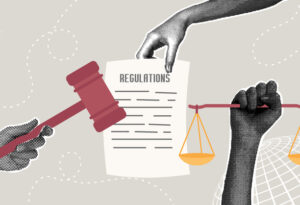 Image by Natalya Kosarevich.
 Lawmaking does not just mean passing bills and creating new laws. It also means oversight and accountability, as well as constituent services.
 Image by Natalya Kosarevich.
 Lawmaking does not just mean passing bills and creating new laws. It also means oversight and accountability, as well as constituent services.
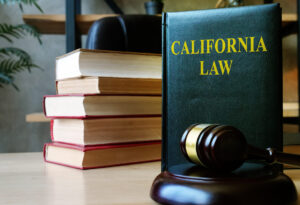 California law with court gavel and stack of documents.
The more I delve into statutory interpretation, the more I am confronted from a legislative drafting perspective whether interpretive guidance should be provided to the courts in this state by placing additional directives in statute. The California courts already use a number of judicial principles when interpreting ambiguous statutes.
 Legislation. Image by tumsasedgars
Why do I think our state should publish its bill drafting manual? I believe it would enhance the ability of the state’s judiciary to better interpret statutes.
Legislation. Image by tumsasedgarsAs we head into the second year of the 2-year California Legislative Session, some legislators may want to re-introduce a bill that did not make it to the Governor’s Desk during this first year. Are there any applicable rules governing this question?
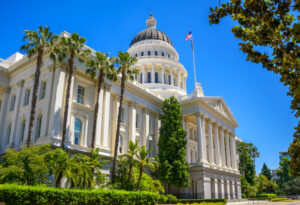 California State Capitol building on a sunny day in Sacramento. Image by miroslav_1.
 During his recent review of the more than 900 bills sent to the desk of Gov. Gavin Newsom, intrepid McGeorge law professor, Capitol lobbyist and regular Capitol Weekly contributor Chris Micheli compiled a number of legislative drafting notes and decided to share them with our readers. This is the third of three parts. Part I can be found here and Part II can be found here.
 Image by Worawith Ounpeng.
In talking with both houses’ budget committee staff over the past few weeks, there are some practical tips that were shared with me for those working with these staff members.
 Image by Vitalii Vodolazskyi
During his recent review of the more than 900 bills sent to the desk of Gov. Gavin Newsom, intrepid McGeorge law professor, Capitol lobbyist and regular Capitol Weekly contributor Chris Micheli compiled a number of legislative drafting notes and decided to share them with our readers.
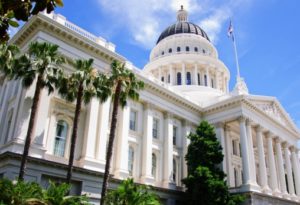 The state Capitol in Sacramento. Photo: Feoktistoff, via Shutterstock)
This edition of the Micheli Files is intended to provide an orientation to the California State Capitol and its accompanying Swing Space for individuals participating in a lobby day. Part II of last week’s Micheli Files, More insights on drafting legislation in California, will run next week.
California law with court gavel and stack of documents.As I finished my review of the over 900 bills sent to Governor Newsom’s Desk, I compiled a number of legislative drafting notes and thought I would share them (the first of three parts):
A unique approach to addressing chaptering-out
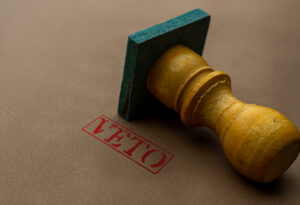 Image by mohd izzuan.
 On the last day for bill actions (October 13), California Governor Gavin Newsom finished reviewing the 917 bills that were sent to his Desk during the 2025 Legislative Session, including 913 regular session bills and 4 special session bills. That figure was in the middle in terms of the number of bills he has received during his seven years in office.