
Opinion
California shouldn’t jail people for minor infractions — AB 2122 would stop that from happening
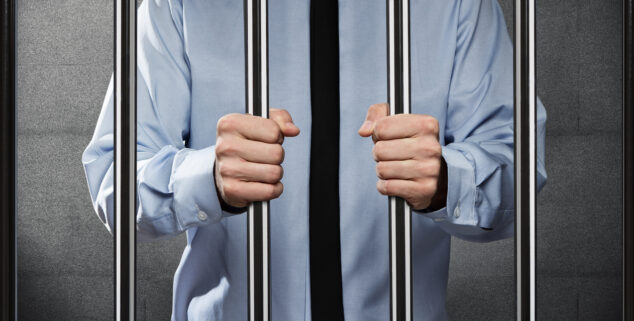 Image by Nastco, iStock Images.
Capitol Weekly welcomes Opinions on California public policy or politics. Please read our guidelines for opinion pieces before submitting an Op-Ed. Submissions that do not adhere to our guidelines will not be considered for publication.
OPINION — A jaywalking ticket. A lapsed car registration. Under California law, either one can end with you in a jail cell.
Not because the law says these infractions deserve jail time, but because you missed a payment or missed a court date. The infraction was never punishable by incarceration. The debt became the crime.
This scenario is happening in California right now. Assembly Bill 2122, authored by Assemblymember Ash Kalra and currently on Gov. Gavin Newsom’s desk is designed to end it.
AB 2122 would stop courts from using the threat of jail time to enforce infractions that are only punishable by fines. If the underlying violation can’t legally put someone behind bars, then struggling to pay the fine or missing a court date shouldn’t land someone in jail either.
Particularly during a time when the cost of living is skyrocketing, 1 in 3 Californians are living in or near poverty, and California still lacks a robust statewide court reminder system.
A bench warrant isn’t a gentle nudge. It’s a court order authorizing law enforcement officers to take someone into custody, often after nothing more than a missed payment or a missed hearing date. A recent report by the Fines and Fees Justice Center found that just 13 states issued over 2.5 million bench warrants tied to court debt between 2018 and 2022; each one authorizing an arrest of someone for being unable to pay a ticket or fine.
This isn’t just unfair and harmful for those arrested, it’s a bad deal for taxpayers. Arresting, booking and briefly jailing someone for an unpaid ticket routinely costs more than the debt itself, yet almost no jurisdiction bothers to calculate that math. Every hour a deputy spends taking someone into custody on a warrant for a broken taillight is an hour not spent on serious public safety work. It also focuses law enforcement time and resources on people who pose no danger to anyone.
A 2024 study, published in Berkeley Journal of Criminal Law, about people who sought help at a warrant-relief clinic shows the human cost. Nearly half of respondents, unprompted, described anxiety, PTSD or fear tied directly to living under a warrant — worry about losing a job, worry about becoming homeless, worry about simply being targeted because of who they are.
These weren’t dangerous fugitives. They were people who missed a court date because they had no child care, no ride or couldn’t take another unpaid day off work. This kind fear is particularly acute for our immigrant community members who are especially vulnerable to arrests; where they face the threats of being transferred to immigration detention facilities and deportation to countries where their lives are often in danger.
None of this makes California safer. It makes us poorer, our courts more backed up and our neighbors more afraid of a system that’s supposed to serve them. And it falls hardest on working families who are already stretched thin, the very Californians a functioning safety net should be protecting, not punishing.
AB 2122 doesn’t let anyone off the hook. People will still owe what they owe, and courts will still have tools to collect these debts: collections, bank levies and wage garnishments. What AB 2122 removes is the needless step where an unpaid ticket turns into handcuffs. It stops punishing poverty as if it were a crime.
We urge Gov. Newsom to sign AB 2122, to bring the state into alignment with what over a dozen counties in the state already do, and we urge Californians who believe in a justice system that’s both humane and cost-effective to tell their representatives the same.
Brandon Greene is director of policy advocacy at the Western Center on Law and Poverty.
Want to see more stories like this? Sign up for The Roundup, the free daily newsletter about California politics from the editors of Capitol Weekly. Stay up to date on the news you need to know.
Sign up below, then look for a confirmation email in your inbox.
Leave a Reply