Posts Tagged: bills
Micheli Files
In the key case to discuss the use of legislative intent materials, we find clear guidance provided by the decision. The appellate court issued its written decision on August 30, 2005 and, since then, it has been cited affirmatively more than 80 times.
Micheli Files
Like all things with government, there are a plethora of rules related to the California budget process. The provisions of law related to the State Budget are primarily contained in Section 12 of Article IV of the state Constitution. What are these provisions?
Micheli Files
MICHELI FILES: In the third of three parts, longtime Capitol lobbyist and parliamentary authority Chris Micheli reviews the recent history of letters to the Daily Journal related to Senate bills. Parts I and II can be found here and here respectively.
Micheli Files
The California Government Code contains a number of provisions related to the Legislature and the lawmaking process. There have been numerous court decisions over the past one hundred years interpreting key provisions of the Government Code. The following cases highlight some of the key decisions interpreting these statutory provisions related to the California Legislature and its legislative process.
Analysis
ANALYSIS – Readers of bills and statutes will regularly come across statements of legislative intent, such as paragraphs that usually begin with either “It is the intent of the Legislature to …” or “The Legislature finds and declares that …” On other occasions, readers may come across statements that “it is the policy of the state.” Both are expressed opinions or state desires of the Legislature.
Analysis
ANALYSIS – On occasion, California legislators include statements of intent, or make findings and declarations, in their bills. When reviewing these bills, readers will see that, in most instances, these statements are “uncodified,” meaning that they are not codified (i.e., placed in a Code). In more limited cases, these statements are codified along with the other, substantive statutory provisions. This raises the question whether these legislative statements should be codified or not.
Analysis
Here are some practical tips that were shared with me for those working with the staff members of the Governor’s Legislative Unit.
Analysis
ANALYSIS: Are there ways to improve the lawmaking process in the California Legislature? I believe there are. I believe the fundamental problem is that there are too many bills each year. There just is not enough bandwidth for all persons involved in the legislative process to sufficiently review and analyze the volume of bills.
News
California courts are occasionally faced with scrutinizing the lawmakers’ decisions to label some bills as urgency statutes and others as special statutes. It may sound unexciting, but the reality is this: The courts’ rulings can affect millions of Californians.
Opinion
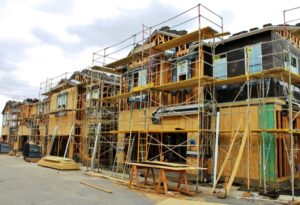
OPINION: Our state’s high cost of living is driven in large part by exorbitant housing prices.
Skyrocketing rents and record-high home prices are forcing many families to make the heart-wrenching decision to leave our state altogether. Californians of all backgrounds are calling out for action: We need housing now.

 Image by Dmitry Demidovich