
Opinion
A little creativity can bring down California’s housing prices
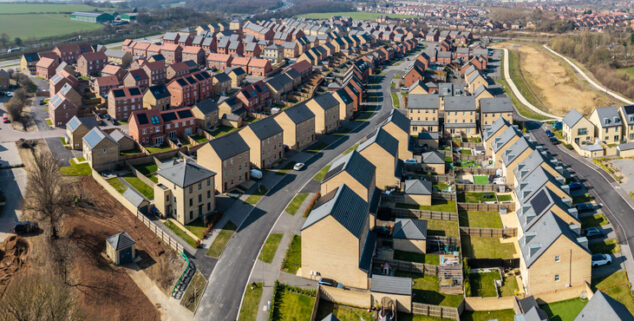 Aerial panorama landscape view of a large new build housing development on green belt land due to a housing shortage with characterless design for first time buyers
Capitol Weekly welcomes Opinions on California public policy or politics. Please read our guidelines for opinion pieces before submitting an Op-Ed. Submissions that do not adhere to our guidelines will not be considered for publication.
OPINION — Data was released recently showing that housing costs here in California have hit record highs. This inflation is driving an exodus of Californians out of state to more affordable climes like Texas and Arizona.
Years of restrictive zoning, local opposition, and permitting delays have left California’s housing supply badly behind demand. Even as tech salaries soared, construction failed to keep pace. The result has been sky-high rents, bidding wars, and low-income and middle-class families increasingly priced out of the communities they helped build.
There’s a lot of negativity surrounding the housing debate in California but not a lot of constructive criticism. It’s worth asking: what can the California legislature do to bring down the cost of a home?
The good news is that there are plenty of policy solutions on the table.
Take Gov. Gavin Newsom’s recent crackdown on private equity firms buying new homes. This is a major problem in California, as big institutional investors gobble up houses, reducing competition and driving up prices.
Newsom in his state of the state address promised to “work with the legislature to combat this monopolistic behavior, strengthen accountability, and level the playing field for working families.” He has an unlikely ally in President Donald Trump who signed an executive order restricting home ownership by those same institutional investors.
It’s the kind of commonsensical idea both Democrats and Republicans can agree on. Close to a fifth of all the homes in California are owned by big Wall Street firms, and that’s just too high.
Or take the Affordable Housing on Faith and Higher Education Lands Act, which has been in effect since 2024. The law streamlines permitting and zoning regulations so religious institutions and nonprofit colleges can build more affordable homes on their land. One study suggests this could unlock 171,000 acres for the development of new housing.
California led the nation on this—Virginia passed a similar law this year—and while the construction interval means we won’t see results right away, it’s a thoughtful way of ensuring more low-income Californians can soon find a place to live.
Key to that law’s success was that it cut through red tape, and this hints at an important truth. It’s far too difficult to build a home in California thanks to zoning and construction regulations, most of them at the local level.
One national construction company warns that “the construction timeline in California can extend beyond the national average of seven months due to local factors like strict building codes, environmental regulations, and unique topography,” adding, “typically, the process can take 10 to 18 months.”
Our state has so many advantages, but if getting a new house approved is twice as onerous as in other places, even the most beautiful sunshine won’t save us.
Thankfully, the state has been working to chop through this red tape and improve regulatory approval times. The courts have also reined in the Coastal Commission, the appointed body that historically has worked to obstruct construction not just on the shore but inland too.
Still, more needs to be done and it can’t all come from the state. Our municipalities need to do a better job of balancing landscape preservation with the need to help our large unhoused population and stop the middle class from moving away.
Incremental measures aren’t enough. We need sweeping and creative solutions from our local leaders to tackle this crisis.
And we need the oversight to make sure those solutions don’t turn into boondoggles. Newsom’s $3.8 billion COVID-era plan to turn old motels into affordable housing was a great idea and it succeeded in some respects, but there was little accountability and cost overruns were real.
As we embrace smart ideas, we also need to reject bad ones that unfairly target landlords and businesses while doing nothing to control prices. Attacks on algorithmic software that help property owners understand their home values, such as SB 295, might sound convincing, but at best this is like blaming Kelley Blue Book for car prices.
This software doesn’t create housing shortages; it only reports what the housing market is currently bearing. It’s up to the legislature to change the marketplace conditions so the housing shortage ends and housing prices go down.
Rather than shoot the messenger, we need to change the message. Rather than complain about the housing market, we need to make it work better.
California can reclaim its reputation as a middle-class paradise. We only lack the political courage and pragmatism of legislators and local officials.
Don Perata, a Democrat, was a member of the California Senate, where he served as its 48th President pro tempore.
Want to see more stories like this? Sign up for The Roundup, the free daily newsletter about California politics from the editors of Capitol Weekly. Stay up to date on the news you need to know.
Sign up below, then look for a confirmation email in your inbox.
Leave a Reply